

Being the age I am, I’m just old enough to remember flip-phones.
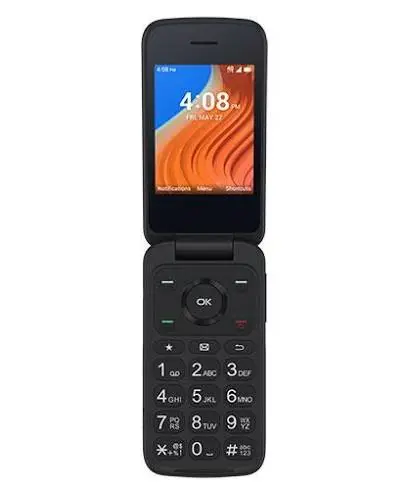
A relatively simple concept that has been on my mind lately for reasons I’ll get to. Widely considered obsolete unless you just want a cheap phone to make calls etc., these phones featured a screen on one side, a keypad on the other, with a hinge joint between the two.
The reason that this device has been dragged back to the front of my brain in recent weeks is because I am reminded of them every time I see this:

To be clear: I’m aware that this foldable iphone is not the first foldable modern smartphone (I know Samsung released them years ago also).
But I’m also left wondering: what is the point? I think I can perfectly understand the use of flip phones as they were when they were popular, but foldable phones I just can’t see the benefit. As far as I can see, these foldable type of phones offer little to no benefit that you couldn’t get from, say a regular iPhone or Samsung phone, in terms of the consumer and how they are used in general life. I get that the hardware/software may be different, but that’s not going to be a factor in most people’s daily lives (you’re not going to care about the type of core, or the screen resolution when you make a phone call, etc.) It seems like it’s more of a gimmick from the companies making them to try and make more sales, but even if that’s the case, the product must have something unique to offer, so what is it about foldable phones that are so unique besides the gimmick of folding?
Flip phones were great!
The form factor itself isn’t bad, it’s just pretty unusable with all the durability issues. It’s also too large, until they are thinner, they are more cumbersome to use as a phone.
Once they are durable, thinner and much cheaper, they will probably become very popular.
Som of the new ones are 8mm thick, even when you include the cameras. And the ZFold 5 is rated for 5 years at 100 folds per day, and that’s not even Samsung’s newest model.
Really, the only issues are cost, lesser camera quality, and particle rating. But folding phones inherently have more parts so they’ll never have cost parity with single-sxreen phones. And you can’t easily make the cameras better because physics demands a minimum refraction distance for the lenses, and phones have already hit that limit. Some folding phones have resolved the particle intrusion issue though. Pixel folds are IP68 rated, though most other brands are more like IP4X rated